Science
The rapidly ageing population, combined with the alarmingly increasing number of overweight and obese individuals, is driving a sharp rise in chronic inflammatory diseases. This results in an explosive growth in healthcare costs, particularly long‑term care for elderly patients suffering from chronic inflammatory conditions.
Inflammation and immunity
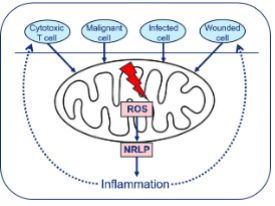
- Inflammation is the initial step of an immune response that clears infections, repairs wounds, and removes malignant cells.
- It is triggered by pathogen‑ and damage‑associated molecular patterns (PAMPs and DAMPs) and cell‑death signals that activate inflammasomes through mitochondrial reactive oxygen species (ROS)‑induced oxidative stress.
- Unresolved or chronic inflammation is driven by perforin (PERF) secreted by cytotoxic T lymphocytes (CTLs) and amplified by extracellular ATP released from damaged cells.
- In principle, chronic inflammatory diseases can be treated with anti‑inflammatory drugs such as corticosteroids, NSAIDs, and general immunosuppressants. However, these drugs are often ineffective for many chronic inflammatory diseases, and long‑term use is associated with severe adverse side effects.